Ecomondo 2026Businesses, technologies, and markets for the ecological transition
From November 3rd to 6th, at the Rimini Expo Centre, the 29th edition of Italian Exhibition Group's international event strengthens its global profile and expands its sectors, districts, and content
Italy consolidates its position among the most advanced European economies in terms of circularity. According to the 8th Report on Circular Economy in Italy, edited by the Circular Economy Network, between 2019 and 2024, the urban waste recycling rate grew by 4.5%, reaching 52.3% and exceeding the EU average of 48.1%. The data on the total amount of waste managed is even more striking: of the 160 million tons treated, 137 million are recycled, representing 85.6%, compared to the European average of 41.2%.
This recovery capacity is also reflected in the return of materials to production processes. In 2024, secondary raw materials generated through recycling accounted for 21.6% of materials consumed in Italy, up 2.9 percentage points from 2019, while the European average remained at 12.2%.
Against this backdrop, the circular economy returns to prominence at Ecomondo, from November 3rd to 6th at Rimini Fiera. More international, more innovative, and increasingly transversal, the 29th edition of the Italian Exhibition Group (IEG) event on the green, blue, and circular economy confirms its role as a key ecosystem for industries, institutions, researchers, and policymakers engaged in the industrial and environmental transformations that are redefining global markets. The event is also a strategic hub for business meetings and new commercial opportunities, and an accelerator for startups, scale-ups, and SMEs in the circular economy.
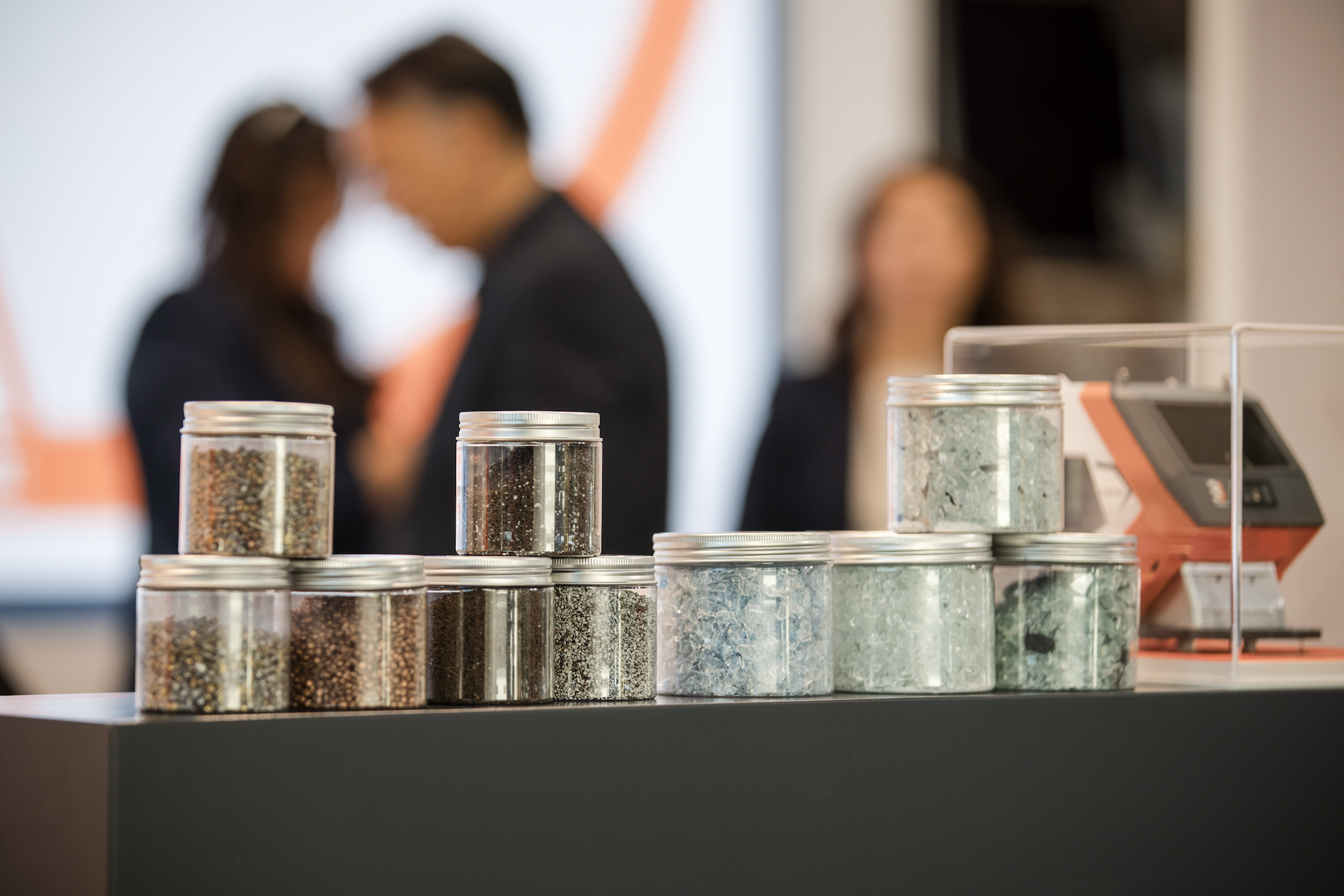
In 2026, Ecomondo will strengthen its international reach to engage a growing number of buyers, delegations, and associations from every continent, in collaboration with the Ministry of Foreign Affairs and International Cooperation (MAECI) and the Italian Trade Agency (ICE). The internationalisation process also includes a roadshow in Spain, Morocco, Germany, Hungary, and Canada, as well as a network that brings together the editions of Ecomondo Mexico, Ecomondo China, and the Green Med Expo & Symposium in Naples.
The conference program, curated by the International Technical and Scientific Committee, is enriched thanks to the involvement of European and international institutional partners, the European Commission, agencies, and stakeholders such as the OECD and FAO. Summits, conferences, and conventions held in English will explore key European regulatory dossiers such as the Circular Economy Act, the Bioeconomy Strategy, the Biotech Act II, the Pact for the Mediterranean, the RESourceEU Action Plan, the Critical Raw Materials Act, and the new provisions on Extended Producer Responsibility (EPR).
The first two days of the event also feature the States General of the Green Economy, organised by the Foundation for Sustainable Development in collaboration with the Ministry of the Environment and Energy Security (MASE) and promoted by the National Green Economy Council. This year, the second plenary session will again be entirely in English.
Alongside the regulatory framework, Ecomondo 2026 will dedicate space to other key themes for a sustainable future, such as healthy and circular cities, artificial intelligence and digital technologies for the ecological transition, the bioeconomy and bioenergy, strengthening its focus on cooperation with the Mediterranean and Africa. The growth of vertical communities in Rimini confirms the event's ability to connect diverse supply chains around the shared goal of accelerating the ecological transition.
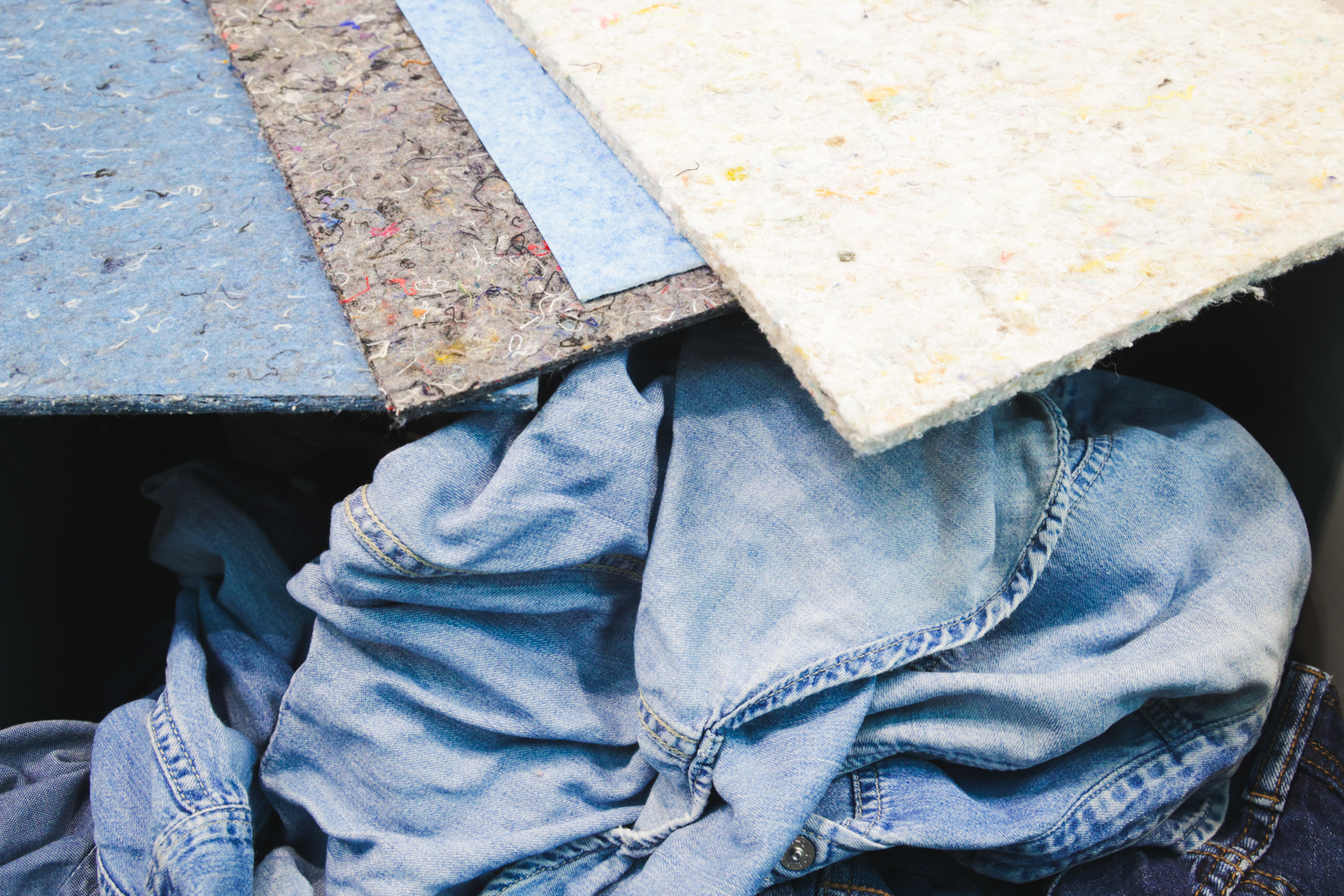
The event's transversality is also reflected in the new exhibition layout. For the first time, Textiles will have its own dedicated sector, housed in a dedicated pavilion and designed to foster discussion among companies and international stakeholders about the sector's sustainable and circular transformation. The area will benefit from the support of the European associations EURIC and EURATEX, as well as specialised Italian consortia and associations. The space reserved for Waste as Resource has also been expanded, redefined into the areas of Collection Vehicles & Containers, Street Cleaning & Maintenance, Material Handling & Lifting, Treatment Machinery, and Recycling & Integrated Waste Management.
Water Cycle & Blue Economy has been reorganised into the sections: Blue Economy; Trenchless Technologies; Valves & Pumps; Water, Wastewater, and Sludge Treatment; Pumps & Components; and Water Supply Systems. This sector includes the Blue Economy District and the Trenchless District, the latter organised with the Italian Association for Trenchless Technologies (IATT). The other sectors, Sites & Soil Restoration, Earth Observation and Environmental Monitoring, Bioenergy & Agriculture, and Circular & Regenerative Bio-Economy, along with the Circular & Healthy City district, remain unchanged. A specific focus will be given to the life cycle of paper, while the Innovation District will continue to bring together startups, innovation, and sustainable expertise.
Ecomondo 2026 presents itself as a platform that integrates business, research, technology, and policy, offering visitors a privileged vantage point on the supply chains and solutions driving the transformation of the circular economy.
Featured articles


Partner